What is Kulcha?
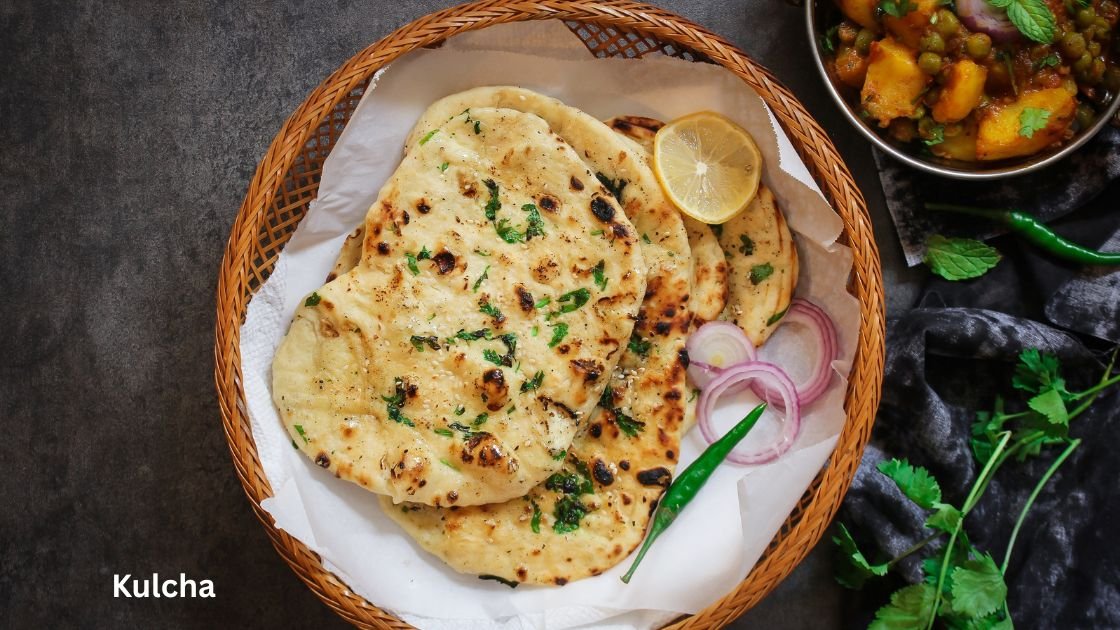
Kulcha is a soft, leavened flatbread made from maida, leavened with yogurt and baking soda (traditionally without commercial yeast), and often stuffed with a filling before being cooked in a tandoor or on a tawa. The dough is enriched and slightly sweet-savoury, and the surface is usually topped with butter, coriander, and sesame or nigella seeds the moment it comes off the heat.
The most iconic version, Amritsari kulcha, is stuffed with a spiced mashed potato filling similar to an aloo paratha stuffing, though plain (unstuffed) kulcha is just as common and equally delicious mopped through a curry.
Where Kulcha Comes From
Kulcha has roots in pre-Partition Punjab, particularly Amritsar and Lahore, where it developed as a tandoor bread distinct from both naan and roti. Amritsar in particular built an entire street-food identity around the “kulcha-chole” combination – stuffed kulchas served with spicy chickpea curry, tangy onions, and a wedge of pickle, sold from small dhabas that have been running for generations.
Post-Partition migration carried the kulcha-chole tradition across North India, and it’s now a breakfast and street-food staple well beyond Punjab, especially in Delhi.
Health Benefits of Kulcha’s Key Ingredients
Like naan, kulcha isn’t the healthiest bread on the table, but a few things work in its favour. The yogurt in the dough adds probiotics and helps ferment the dough naturally, making it gentler on digestion than an unleavened bread. The potato filling in Amritsari kulcha adds potassium and a satisfying dose of complex carbohydrates, while the sesame seeds pressed onto the crust bring calcium, healthy fats, and a mild nutty flavour. Using atta instead of maida, or adding a spoon of besan (gram flour) to the dough, is an easy way to boost fibre without changing the taste much.
Ingredients
- 2 cups maida (all-purpose flour)
- 1/2 teaspoon baking soda
- 1/2 teaspoon baking powder
- 1/2 cup plain yogurt
- 2 tablespoons oil, plus more for kneading
- 3/4 teaspoon salt
- 1 teaspoon sugar
- Warm water, as needed
- 2 tablespoons sesame or nigella seeds, for topping
- Butter and chopped coriander, for finishing
For the potato stuffing (optional): 2 boiled and mashed potatoes, 1 chopped green chilli, 1 teaspoon ajwain, 1/2 teaspoon amchur, chopped coriander, salt to taste
Instructions
Step 1: Make the dough
Whisk together maida, baking soda, baking powder, salt and sugar. Add yogurt and oil, then bring together into a dough using warm water a little at a time. Knead for 5-6 minutes until smooth.
Step 2: Rest the dough
Cover the dough with a damp cloth and let it rest for at least 2 hours at room temperature (or up to 4 hours for a more pronounced tang).
Step 3: Make the stuffing (if using)
Mix mashed potatoes with green chilli, ajwain, amchur, coriander and salt. Divide into small balls, roughly the same number as your dough portions.
Step 4: Shape and stuff
Divide the rested dough into 6-8 balls. Flatten a ball, place a potato stuffing ball in the centre (if using), and gather the edges up to seal. Flatten gently and roll out into a thick oval or round, about 1/3 inch thick – kulcha is rolled thicker than naan.
Step 5: Top and cook
Press sesame or nigella seeds onto the top surface. Heat a heavy tawa until very hot, wet the underside of the kulcha, and press it onto the pan. Cover and cook for 2 minutes until bubbles form, then flip the tawa over an open flame (or flip the kulcha onto the pan) to char the top, or finish under a hot grill for a minute. Brush with butter and scatter with coriander before serving.
Tips for Perfect Kulcha
- Seal the stuffed dough ball completely before rolling, or the filling will burst through while cooking
- Roll gently and evenly- pressing too hard on a stuffed kulcha pushes the filling out to one side
- A longer rest (up to 4 hours) gives a noticeably softer, tangier kulcha
Prep time: 20 minutes | Rest time: 2-4 hours | Cook time: 20 minutes | Makes: 6-8 kulchas
Common Mistakes to Avoid
- Over-stuffing the kulcha, which causes tears and leaks during rolling and cooking
- Rolling it as thin as naan, which loses the characteristic soft, bready texture of kulcha
- Cooking on medium heat instead of high, which dries the kulcha out before it chars properly
Substitutions
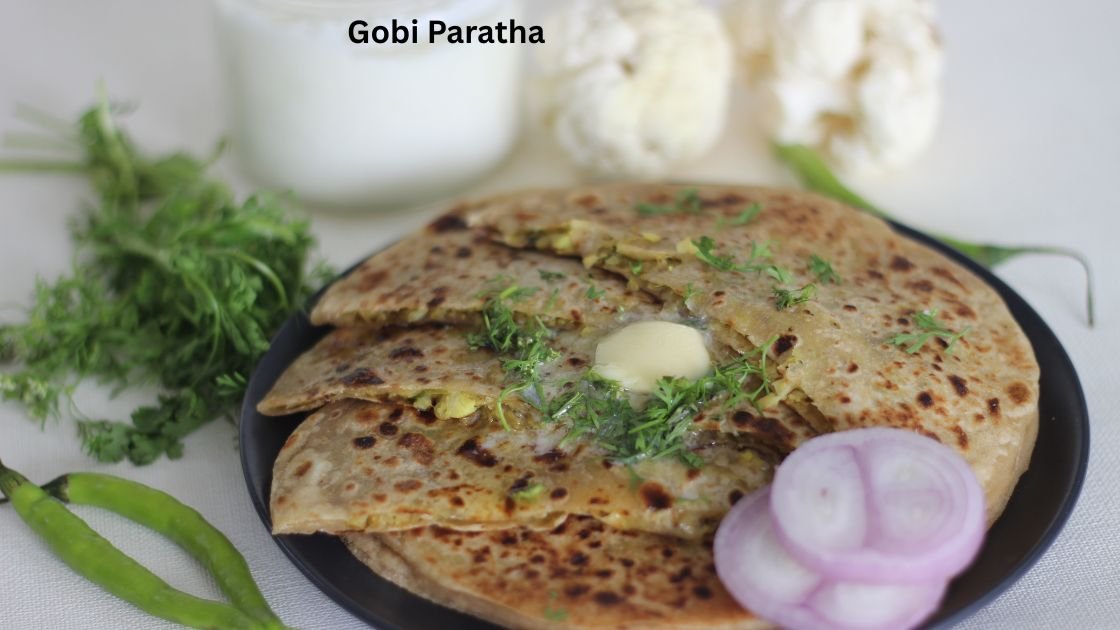
Skip the stuffing entirely for a plain kulcha, which is just as authentic and quicker to make. Swap the potato filling for spiced paneer or grated cauliflower (gobi) for variety. Vegan version: use plant-based yogurt and skip the butter finish, using oil instead.
Storage and Reheating
Cooked kulcha stays soft wrapped in foil at room temperature for a day, or refrigerated in an airtight box for up to 3 days. Reheat on a hot tawa for a minute per side, or wrap in foil and warm in the oven. Unstuffed kulcha also freezes well for up to a month.
Serving Suggestions
The classic pairing is chole (spiced chickpea curry) with sliced onions, green chutney and a wedge of lemon – the famous Amritsari kulcha-chole combination. It’s equally good with rajma, paneer curries, or simply a dollop of butter and pickle.
FAQ
What’s the difference between naan and kulcha?
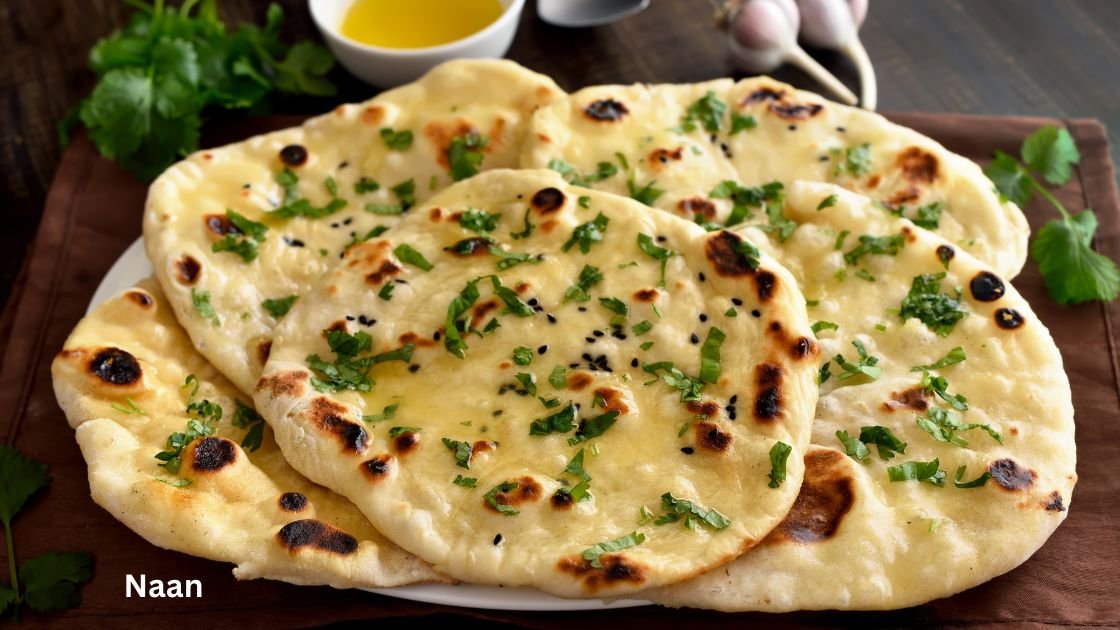
Naan typically uses yeast and is rolled thinner and often teardrop-shaped, while kulcha is leavened mainly with baking soda and yogurt, rolled thicker, and is frequently stuffed. Kulcha also has a denser, breadier crumb.
Can I make kulcha without a tandoor?
Yes, a hot tawa or cast-iron pan with a lid works very well, as does a hot oven with the grill function for the final char.
Why did my stuffing leak out while cooking?
This usually happens when the dough ball isn’t sealed completely around the filling, or when too much stuffing is used relative to the dough. Use a light hand with the filling and pinch the seams firmly closed.
Nutrition Information (per kulcha, approx.)
Calories: 210 | Carbohydrates: 33g | Protein: 6g | Fat: 6g | Fibre: 1.5g | Sodium: 260mg. Values are for a potato-stuffed kulcha and will vary with filling and butter used.