What Is GLP-1, Really?
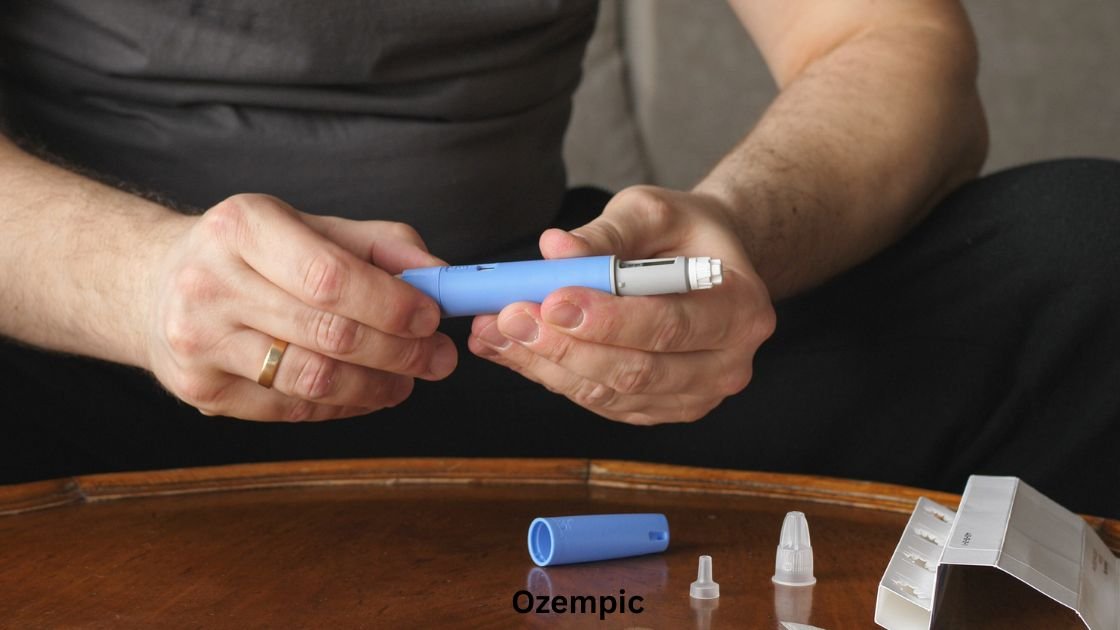
GLP-1, or glucagon-like peptide-1, is a hormone your own gut releases after you eat. It releases especially after fibre, protein and fat. It tells your brain you are full, slows down how fast food leaves your stomach and helps keep blood sugar steady. Drugs like Ozempic and Wegovy work by mimicking and extending the action of this natural hormone. Food cannot replicate a prescription dose, but the same biological pathway responds, in a smaller way, to what and how you eat.
Where This Idea Comes From
This is not a new discovery dressed up as a trend. Traditional Indian thalis were built around fibre-rich dals, fermented foods like curd and idli batter, and bitter vegetables such as karela and methi. This was long before anyone knew the word GLP-1. What has changed is that recent nutrition research has started explaining why these combinations work so well for satiety and blood sugar. This is turning old kitchen wisdom into something backed by data.
The Real Benefits
- Fibre-rich foods like moong dal, chana and oats slow digestion and trigger a stronger, longer-lasting GLP-1 response
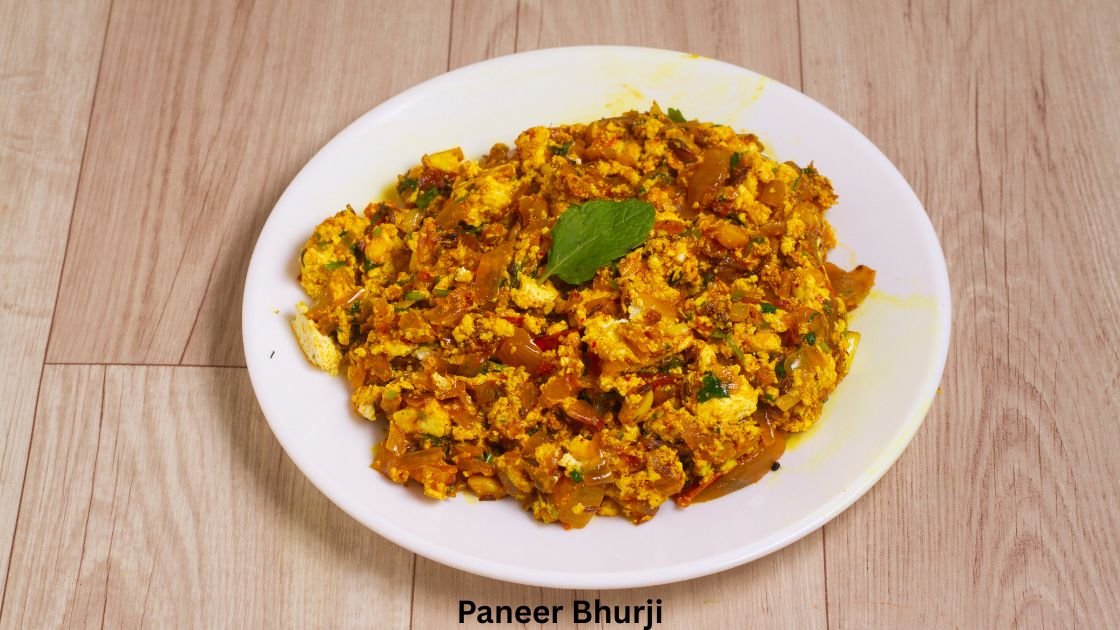
- Protein at breakfast, from paneer, curd, dal or eggs, reduces hunger hormones for hours and prevents the mid-morning crash
- Fermented foods such as curd, idli and dosa batter support gut bacteria that are directly linked to natural GLP-1 production
- Healthy fats from nuts, seeds and coconut slow gastric emptying so you feel fuller for longer after a meal
- Methi seeds and karela are traditionally used in Indian households to support steady blood sugar
How To Bring This Into Your Everyday Thali
- Swap a portion of white rice for extra dal or vegetables to add fibre without changing your whole meal
- Add a spoonful of soaked chia or sabja seeds to your morning lassi or nimbu paani
- Make protein the first thing you eat at breakfast instead of the last
- Keep curd, pickle or a fermented batter dish on the table most days of the week
- Eat slowly and stop at the point of comfortable fullness rather than finishing the plate out of habit
A Word of Caution
None of this replaces medical treatment for diabetes, obesity or other diagnosed conditions. Food alone cannot do what a prescribed GLP-1 medication does under a doctor’s supervision. Think of these habits as support for people who are already healthy and want steadier energy and appetite. This is not a substitute for medical advice. If you are on any medication or have a health condition, talk to your doctor before making significant changes to your diet.
The most reassuring part of all this is that you probably do not need to buy anything new. A well-stocked Indian kitchen, with its dals, curd, seeds and bitter greens, already has most of what supports natural fullness and steady blood sugar. Building meals around these staples is a simple way to work with your body instead of against it.