What Is Inflammation and Why Does It Matter?
Inflammation is the body’s natural response to injury or infection. It is literally your immune system doing its job. The problem is chronic, low-grade inflammation that lingers for months or years. This is often driven by poor diet, stress, lack of sleep and a sedentary lifestyle. This kind of ongoing inflammation is increasingly linked to fatigue, joint pain, digestive issues. Also, responsible for conditions like heart disease and diabetes. This is why it has become such a major focus in wellness conversations recently.
Where This Fits in the Indian Kitchen
This is the pleasant surprise if you know. The anti-inflammatory diet is already sitting in most Indian spice boxes and kitchen shelves. Turmeric, ginger, garlic, and a whole cabinet of everyday spices have been used in Ayurvedic and home cooking for centuries. These were used long before the word “inflammation” entered common vocabulary. The science is only now catching up to habits that were already baked into daily cooking.
The Real Benefits
- Reduced joint stiffness and pain over time, particularly reported by people who add turmeric and ginger consistently
- Better digestion, since many anti-inflammatory spices also happen to be traditional digestive aids
- Support for heart health, as chronic inflammation is a known contributor to cardiovascular issues
- Steadier energy and mood, since gut inflammation is increasingly linked to how we feel mentally, not just physically
- A stronger immune response overall. A body that isn’t constantly fighting background inflammation has more capacity to fight actual infections
Anti-Inflammatory Foods Already in Your Kitchen
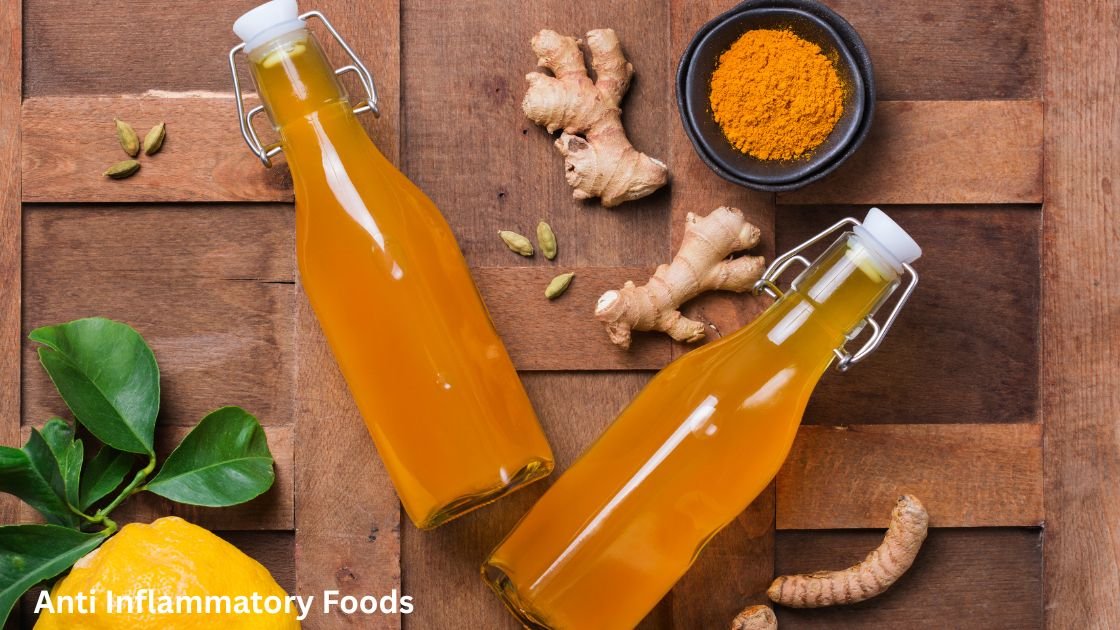
- Turmeric – contains curcumin. It is the most researched anti-inflammatory compound in Indian cooking, best absorbed with black pepper and a bit of fat
- Ginger – reduces inflammatory markers and is especially effective for joint and muscle soreness
- Garlic – contains sulphur compounds that help lower inflammatory markers in the blood
- Leafy greens like spinach and methi – rich in antioxidants that counter oxidative stress, a close cousin of inflammation
- Fatty fish or, for vegetarians, flaxseeds and walnuts – all provide omega-3 fatty acids known to lower inflammation
- Berries and citrus fruits – high in vitamin C and polyphenols that support the body’s natural anti-inflammatory response
- Green tea – contains catechins linked to reduced inflammation markers in several studies
How to Build an Anti-Inflammatory Plate
- Start the day with warm water and a small piece of ginger or a pinch of turmeric. Avoid jumping straight to tea or coffee
- Add a tadka of turmeric, cumin and mustard seeds to dal and sabzi as a daily default.
- Include one leafy green vegetable in your meals most days of the week
- Keep a small jar of soaked flaxseeds or walnuts to sprinkle over meals or eat as a snack
- Swap one sugary drink a day for turmeric milk (haldi doodh) or a ginger-lemon infusion
- Cut back on deep-fried snacks and refined sugar. These are well-documented drivers of inflammation.
A Word of Caution
No single spice or food reverses inflammation on its own. None of this replaces medical treatment for a genuine inflammatory condition like arthritis or an autoimmune disorder. Turmeric in particular can interact with blood thinners and other medications at high doses, so if you are on any regular medication. It is worth checking with a doctor before making major changes. Take supplements only with your doctor’s advice.
The bigger picture matters more than any single ingredient. An anti-inflammatory way of eating is really just a return to the way many Indian kitchens already cook. You have to go heavy on spices, vegetables and dal, light on ultra-processed food. You do not need a new diet plan for this. Just need to lean back into the one your grandmother was already running.