Why Protein Matters (And Why Vegetarians Worry About It)
Protein is the building block for muscle, skin, hair, enzymes and hormones, and unlike carbohydrates and fat, the body does not store it for later use, so it needs a steady supply through the day. The worry among vegetarians usually comes from comparing plant protein to meat, which is generally more protein-dense gram for gram. But this comparison misses the point: Indian vegetarian cooking rarely relies on a single protein source. It stacks several modest sources across a meal, which adds up to a complete amino acid profile without needing meat at all.
Where This Fits in Indian Food Culture
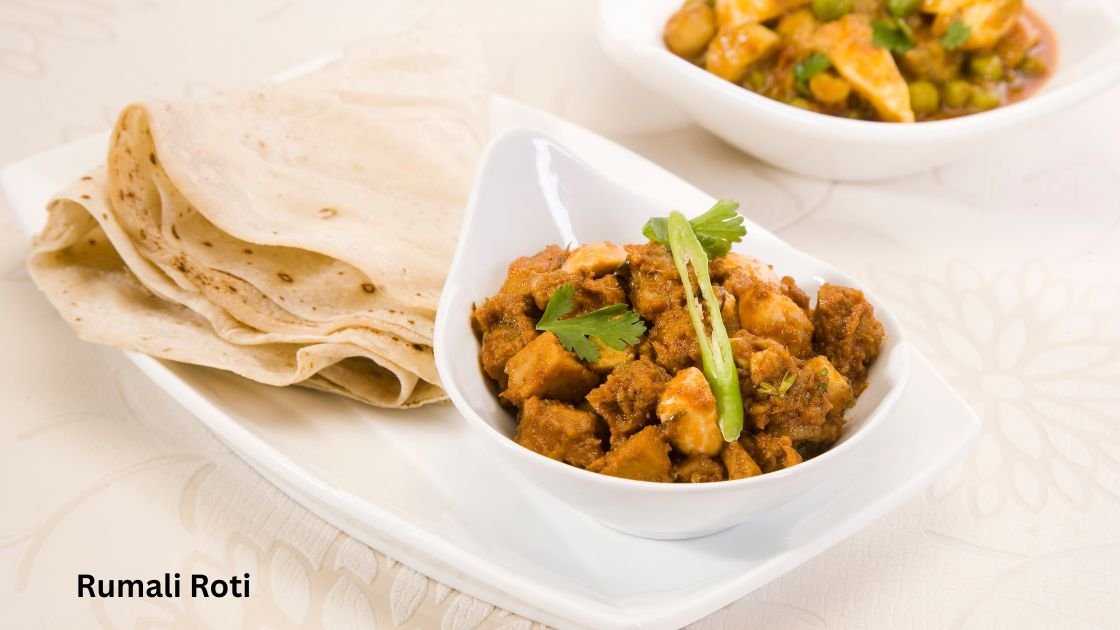
Traditional Indian thalis were never designed by a nutritionist, but they accidentally got protein pairing right. Dal with rice, roti with paneer sabzi, curd alongside every meal, sprouted moong as a snack, and a fistful of nuts during festivals were never framed as “high protein,” they were just how the meal was structured. What has changed recently is that this instinctive structure now has a name, and a spotlight, thanks to 2026’s wellness conversation putting protein front and centre.
The Real Benefits
- Steadier energy through the day, since protein slows digestion and prevents the blood sugar crashes that come from carb-heavy meals eaten alone
- Better satiety, meaning you stay full longer and snack less between meals
- Support for muscle maintenance, which becomes more important with age or with any strength training
- Better hair and skin health over time, since protein feeds keratin and collagen production
- A stronger immune response, since antibodies themselves are built from protein
Best Vegetarian Protein Sources in an Indian Kitchen
- Dals and lentils (moong, masoor, chana, toor) – roughly 18 to 25g protein per 100g uncooked
- Paneer – about 18g protein per 100g, and one of the most versatile protein-dense foods in vegetarian cooking
- Curd and buttermilk – a smaller amount per serving but eaten so often it adds up meaningfully over the day
- Sprouted moong and chana – protein plus the added benefit of easier digestibility once sprouted
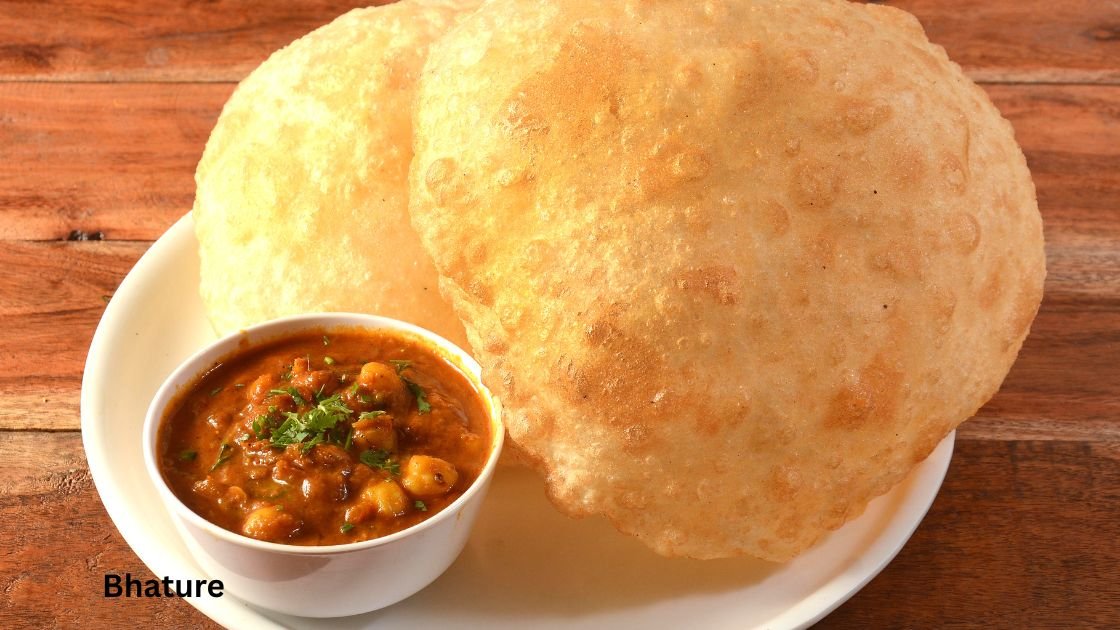
- Rajma and chole (kidney beans and chickpeas) – roughly 20g protein per 100g uncooked, plus fibre
- Soybean and tofu – among the few complete plant proteins, with all essential amino acids in one food
- Peanuts, almonds and seeds (pumpkin, chia, flax) – dense in protein and easy to add to almost any meal
How to Actually Hit Your Protein Target
- Add a bowl of dal to lunch and dinner as a non-negotiable, not an occasional side
- Keep a jar of roasted chana or peanuts nearby for snacking instead of biscuits or chips
- Swap plain rice for a rice-dal khichdi a couple of times a week to combine carbs and protein in one pot
- Add a spoon of curd or a glass of chaas with lunch as a habit rather than an afterthought
- Soak and sprout a batch of moong or chana weekly and keep it ready in the fridge for instant snacking or salads
- If you exercise regularly, add a scoop of paneer or a boiled egg-equivalent portion of tofu to your post-workout meal
A Note on Complete Proteins
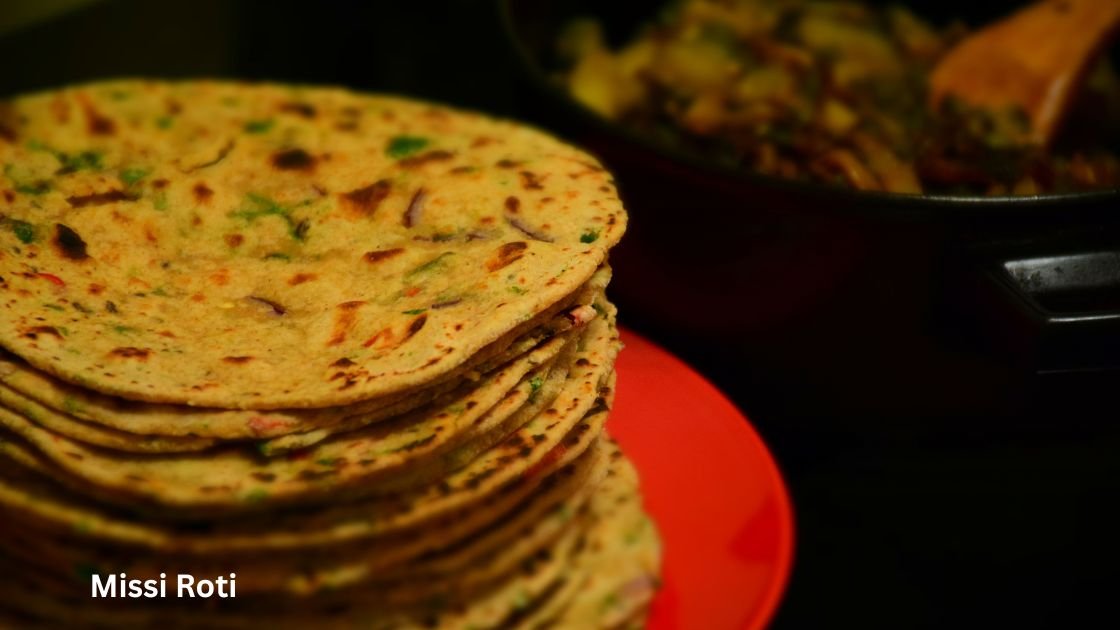
Most plant proteins, dals included, are missing or low in at least one essential amino acid on their own. This is exactly why traditional combinations like dal and rice, or roti and rajma, matter so much: grains and legumes complement each other’s amino acid gaps, together forming what nutritionists call a complete protein. You do not need to eat them in the same bite, just somewhere across the same day.
None of this requires protein powders or expensive substitutes. A vegetarian Indian kitchen, used the way it was traditionally meant to be used, already has everything needed to hit a solid protein intake. It just needs a little intention rather than defaulting to rice and one vegetable every night. Start by simply not skipping the dal and build from there.