What Is Copper Vessel Water
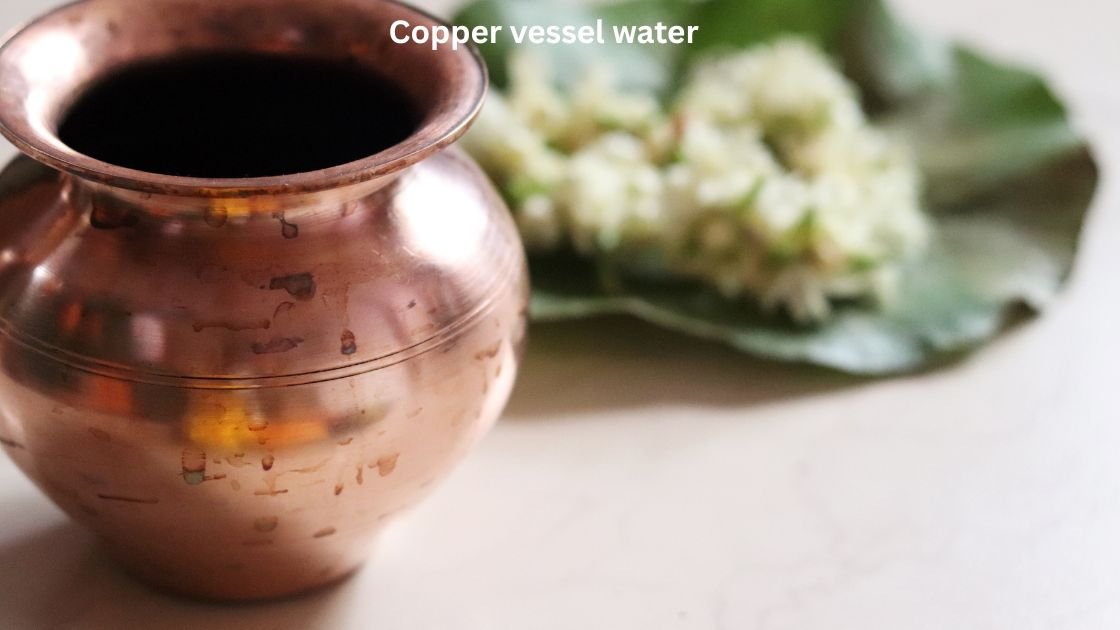
Copper vessel water is simply water stored overnight, usually 6 to 8 hours, in a copper container. It is consumed the next morning, often on an empty stomach. As the water sits, trace amounts of copper ions leach into it through a natural process called the oligodynamic effect. In this process certain metals release ions that can inhibit the growth of some bacteria, fungi and algae. This is the same basic principle behind why copper and brass vessels were traditionally used. They were used to store water before refrigeratr existed.
Where the Practice Comes From
In Ayurveda, copper is associated with balancing the three doshas. The practice of storing drinking water in copper vessels overnight goes back thousands of years. Long before germ theory existed to explain why it seemed to help. Copper and its alloys like brass and bronze were the default materials for water pots, cooking vessels and drinking tumblers across much of India. These vessels were durable and partly because water stored in them stayed fresher for longer. It was an observation people made well before anyone understood the microbiology behind it.
The Real Benefits
- Copper is an essential trace mineral the body needs in small amounts for iron absorption, collagen formation and nervous system function
- The oligodynamic effect can help reduce certain bacteria in stored water, which mattered a great deal before modern filtration and purification existed
- Many people who switch to copper-stored water report better digestion. Important to note that this is more likely tied to the habit of drinking water first thing on an empty stomach than to copper itself
- Copper has mild antimicrobial properties that have been studied for surfaces in hospitals which helped in lending some scientific weight to the traditional practice
Important Caveats
Copper water is not a cure-all, and the scientific research directly testing tamra jal as a health practice is limited compared to how widely it is used. More importantly, copper can be harmful in excess. The body needs only a small amount of copper daily, and drinking heavily copper-infused water every single day, especially from a poorly maintained or highly acidic-liquid-stored vessel, can lead to copper toxicity over time, with symptoms like nausea, stomach pain, or in rare extreme cases liver damage. This is not a reason to avoid the practice, but a reason to do it in moderation and correctly.
How to Do It Safely
- Use a vessel made of pure, food-grade copper, ideally one with a tin or similar lining if you plan to store acidic liquids, though plain water is fine in solid copper
- Store only plain water in it, never juice, buttermilk or anything acidic, since acidity speeds up copper leaching to unsafe levels
- Let the water sit for 6 to 8 hours, overnight. It’s ideal, rather than storing it for days at a time
- One to two glasses a day is a reasonable amount for most healthy adults, not a full day’s water intake
- Clean the vessel regularly with a natural acidic cleaner like lemon and salt to prevent excess tarnish buildup
- Skip it if you have Wilson’s disease or any condition affecting copper metabolism. Check with a doctor if you are pregnant or on medication
If used in moderation, with a clean vessel and plain water, tamba paani is a low-risk habit worth keeping. Just do not treat it as a substitute for a balanced diet.