Why Magnesium Matters
Magnesium is involved in more than 300 biochemical reactions in the body, from muscle contraction and nerve signalling to energy production and blood sugar regulation. It helps your muscles relax after they contract, which is why a deficiency often shows up first as cramps, twitches or restless legs at night. Magnesium plays a direct role in regulating the nervous system hence low levels are linked to poor sleep, anxiety and low mood. Low levels of magnesium may affect the bone health. Magnesium helps the body use calcium and vitamin D properly.
Signs You Might Be Running Low on Magnesium
- Muscle cramps or twitches, especially in the calves at night
- Persistent fatigue that does not improve with rest
- Trouble falling or staying asleep
- Frequent headaches or migraines
- Irregular heartbeat or heart palpitations
- Low mood, anxiety or poor concentration
- These symptoms overlap with many other conditions, so this is a cue to check your diet and consult a doctor if they persist, not a diagnosis on its own.
Where Magnesium Fits in Everyday Indian Cooking
The good news is that traditional Indian kitchens are already full of magnesium-rich ingredients. They just tend to get pushed aside for polished, processed staples. Whole grains like bajra, jowar and ragi, which were everyday flours in most regional diets a generation ago, are considerably richer in magnesium than refined wheat or white rice. Dals, especially rajma, chana and urad, along with nuts, seeds and leafy greens like palak and methi, round out a naturally magnesium-rich thali when they are cooked the way our grandmothers made them, with minimal processing.
The Real Benefits of Magnesium
- Helps muscles relax properly, reducing night-time cramps and twitches
- Supports deeper, more restful sleep by calming the nervous system
- Plays a role in steady energy production, easing unexplained fatigue
- Works alongside calcium and vitamin D to keep bones strong
- Helps regulate blood pressure and supports heart rhythm
- May ease PMS symptoms and support mood balance
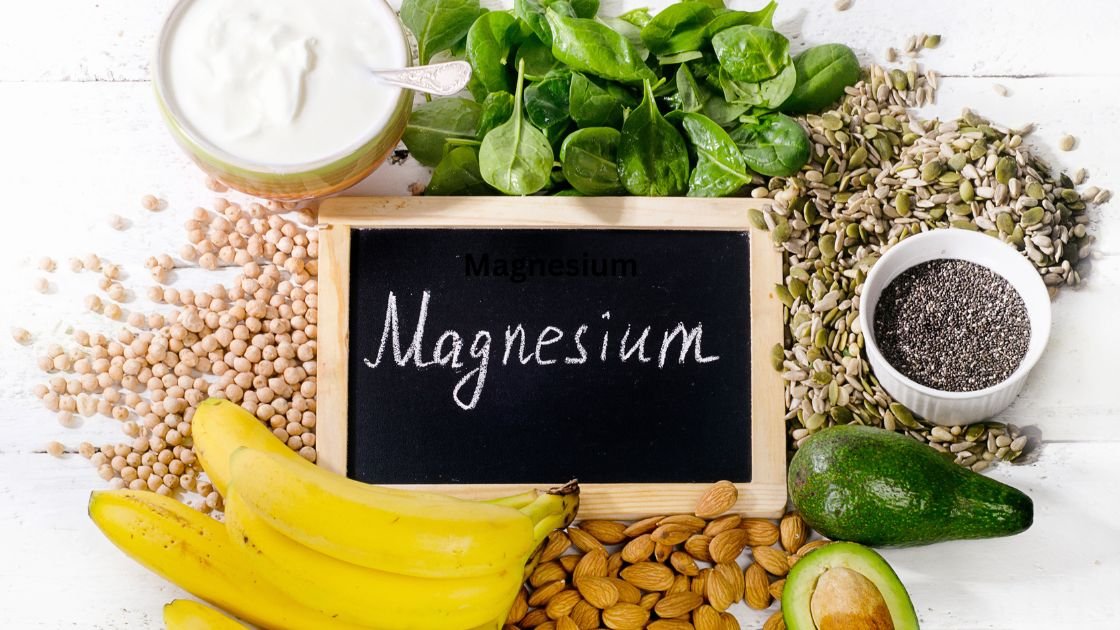
Best Vegetarian Sources of Magnesium
- Pumpkin seeds and flaxseeds (alsi), sprinkled over salads or blended into chutneys
- Almonds and cashews, a handful as a daily snack
- Spinach (palak) and fenugreek leaves (methi), cooked into sabzis or added to dal
- Rajma, chana and moong dal, everyday lentils and legumes
- Bajra, jowar and ragi, used in place of refined wheat flour for rotis
- Dark chocolate (70% cacao or higher), in moderation
- Bananas and avocado, easy additions to breakfast
How to Get Enough Magnesium Daily
- Swap one wheat roti a day for a bajra or jowar roti, especially in winter when these grains are traditionally eaten
- Keep a small jar of mixed seeds (pumpkin, flax, sesame) on the counter and add a spoonful to curd, salads or smoothies
- Add a handful of soaked almonds or cashews to your mid-morning snack instead of packaged biscuits
- Cook dal at least once a day, rotating between moong, chana, rajma and urad through the week
- Include a green leafy sabzi like palak or methi two to three times a week rather than relying only on the same one or two vegetables
- If cramps or sleep issues persist despite dietary changes, ask your doctor about checking your magnesium levels before starting a supplement, since too much magnesium from supplements can cause its own problems, including digestive upset.
A Note on Magnesium and Cooking Water
A good chunk of the magnesium in vegetables and dals leaches into cooking water. Instead of discarding the water you soak or boil dal, rice or vegetables in, use it in soups, kneading dough, or gravies. This one small habit, common in many traditional Indian kitchens already, keeps more of the mineral on your plate instead of down the drain.
Magnesium rarely gets the attention that iron, calcium or protein do in conversations about Indian nutrition, but it is working quietly behind almost everything that makes you feel rested and steady through the day. The fix does not need to be complicated or expensive: a roti made of bajra instead of wheat, a spoon of seeds over your curd, and dal on your plate most days will take you a long way.