Why Festival Season Feels So Hard to Navigate
Indian festivals are built around food as an expression of celebration, devotion, and hospitality. Refusing a sweet can sometimes feel like refusing the occasion itself. Festive foods are also often richer than everyday cooking, more ghee, more sugar, more fried elements. Festive foods arrive in a cluster over weeks rather than being spread out. Staring from Ganesh Chaturthi in September through Navratri, Diwali, and into the wedding season that often follows. None of this means festival food needs to be avoided. It just helps to have a plan. You don’t need to decide in the moment when a plate of gulab jamun is already in front of you.
Where This Fits Into Everyday Indian Eating
Most traditional Indian festival sweets weren’t originally meant to be eaten every day, they were reserved for exactly these occasions. Sweets were made in smaller batches and shared in small portions as prasad or with guests. The shift toward big box mithai purchases and constant snacking through the season is a relatively modern pattern. Going back to the original idea, sweets should be occasional, intentional treat rather than a background snack. It is really the core of managing festival eating well.
The Real Strategies That Help
- Eat a small, protein and fiber rich meal before attending a festive gathering. Avoid arriving hungry because you will be more likely to overeat at the sweet table.
- Choose one or two sweets you genuinely love rather than sampling everything on offer. The “one plate of everything” habit is usually what leads to overeating.
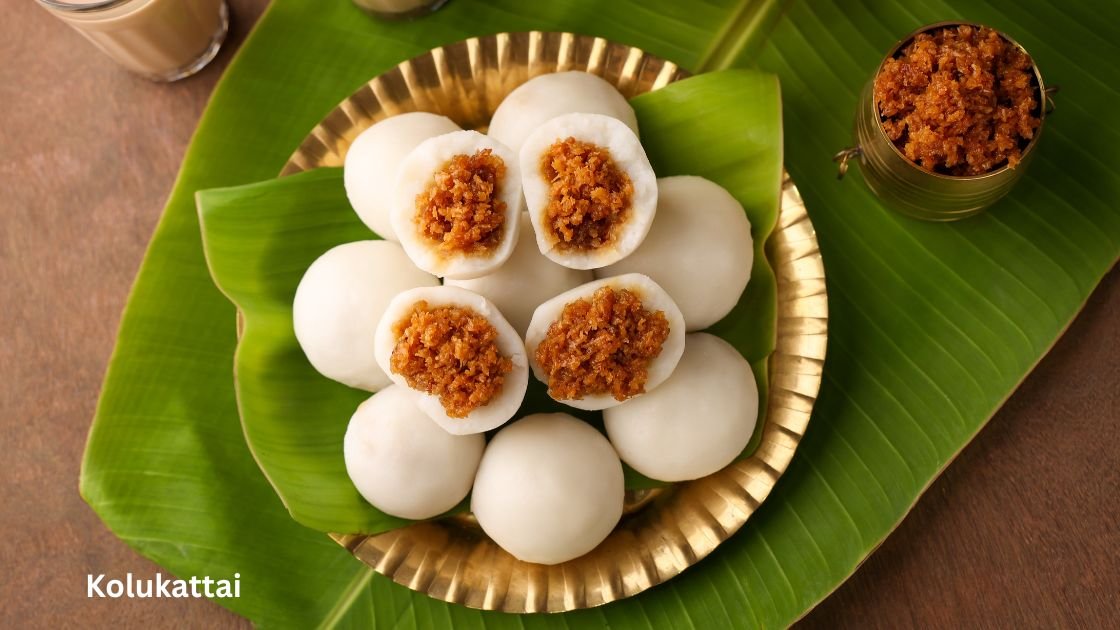
- If you have a choice, Favor steamed and baked sweets like modak or homemade barfi over deep-fried ones like gulab jamun or jalebi. Steamed and backed sweets tend to carry noticeably less oil.
- Drink water or buttermilk between servings; it slows down how quickly you go back for seconds.
- Portion sweets onto a small plate rather than eating directly from a shared box. It’s much easier to lose track of quantity when snacking straight from a container.
- Balance the day’s other meals to be lighter and vegetable-forward if you know a sweet-heavy gathering is coming up in the evening.
Practical Tips for Hosting or Gifting
If you’re making sweets at home, consider reducing sugar by about 20 to 25 percent in most traditional recipes. The difference in taste is often barely noticeable, but it adds up across a festive spread. Use jaggery in place of refined sugar where the recipe allows. It brings a bit more mineral content along with the sweetness. When gifting mithai, smaller boxes with a mix of two or three items tend to get enjoyed more mindfully than large assorted boxes that invite constant snacking over days.
A Balanced Way to Think About It
Festival sweets are one of the genuine joys of the Indian calendar. No amount of “guilt” makes them healthier to skip entirely. The goal isn’t restriction, it’s approaching the season with a little more intention. Enjoy a modak on Ganesh Chaturthi because you actually want it, not because it’s the fifth one offered to you that day.