Why this debate exists?
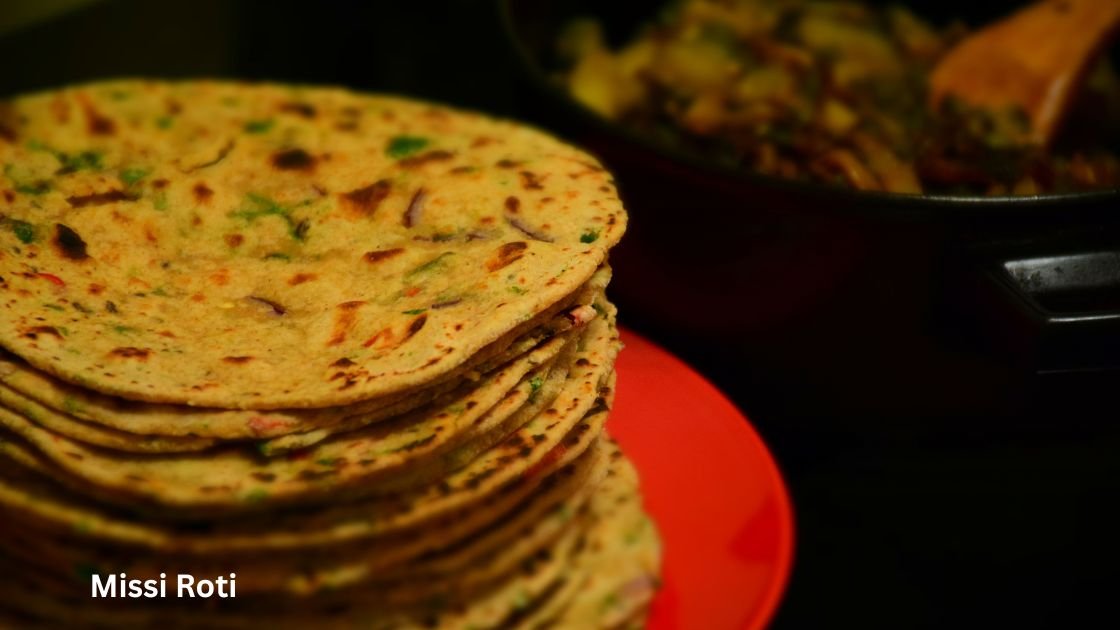
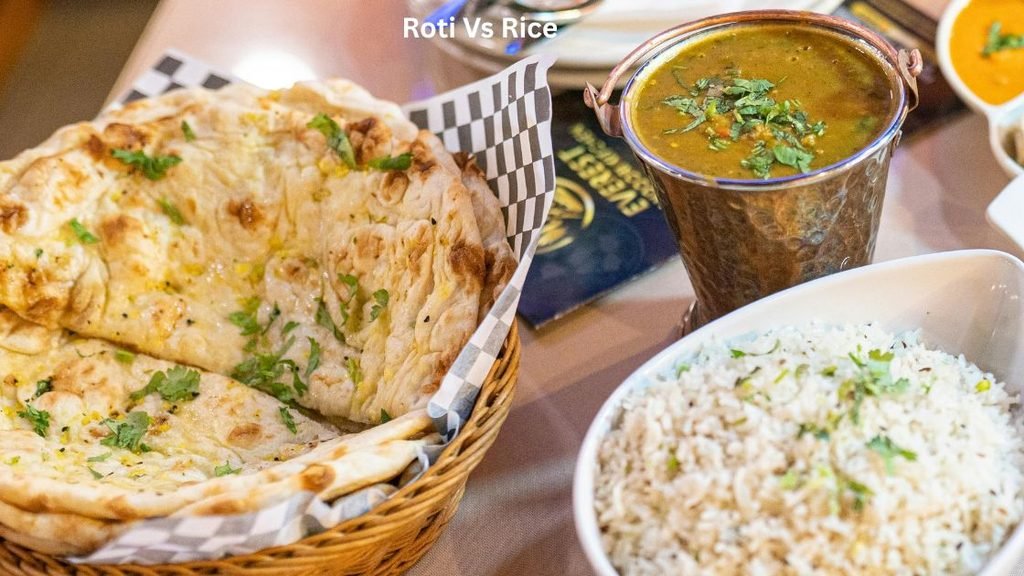
Rice and roti are the two dominant staple carbohydrates across Indian regional diets, and which one a household favours is often more about geography and tradition than nutrition – rice-growing regions like Bengal, Tamil Nadu, and Kerala lean rice-first, while wheat belts like Punjab and Uttar Pradesh build meals around roti. Both are perfectly reasonable staples; the debate really comes down to fibre, protein, and glycemic index, and how those matter for specific goals like weight loss or diabetes management.
The Real Differences
- Fibre and fullness: Whole wheat roti has noticeably more fibre than white rice, which is part of why it tends to keep you fuller for longer per calorie.
- Protein: A single roti contains roughly 2.5-3 grams of protein, more than an equivalent portion of plain white rice.
- Glycemic index: Whole wheat roti generally has a lower glycemic index than white rice, meaning it causes a slower, steadier rise in blood sugar – relevant for anyone managing diabetes.
- Gluten: Rice is naturally gluten-free, making it the safer staple for anyone with celiac disease or gluten sensitivity.
- Digestibility: White rice is gentler and easier to digest, which is why it’s often the go-to during stomach upsets or after illness.
- Calories: The two are fairly comparable calorie-for-calorie in cooked form, so neither is a clear winner purely on that count.
How To Decide What Works for You
- For weight loss: Roti or brown rice, thanks to higher fibre and slower digestion that helps manage hunger.
- For diabetes: Whole wheat roti or brown rice, both for their comparatively lower glycemic index.
- For digestive issues or recovery: White rice, since it’s lighter on the stomach.
- For gluten intolerance: Rice, since it’s naturally gluten-free.
- For general balance: There’s no real need to eliminate either – most Indian diets historically included both, adjusted by season, region, and what the body needed that day.
Practical Tips
- Choose brown rice or a millet-rice blend over polished white rice for a meaningful fibre boost without giving up rice altogether.
- Make rotis with atta that includes some bran rather than heavily refined flour, for extra fibre.
- Portion size matters more than the rice-vs-roti choice itself. An oversized serving of either will affect blood sugar and weight the same way.
- Pair either staple with a protein source (dal, paneer, legumes) and a vegetable to slow digestion and improve the overall nutritional balance of the meal.
- Let your activity level guide the ratio – physically active days can handle more rice’s quick-release energy, while sedentary days may benefit more from roti’s slower digestion.
There’s no universal winner here, and treating this as a strict either-or misses how Indian diets have traditionally worked. Most regions eat both, just in different proportions and contexts. The more useful question isn’t “rice or roti,” but which one fits better with what your day, your health goals, and honestly, your appetite actually need.