Why Calcium Matters
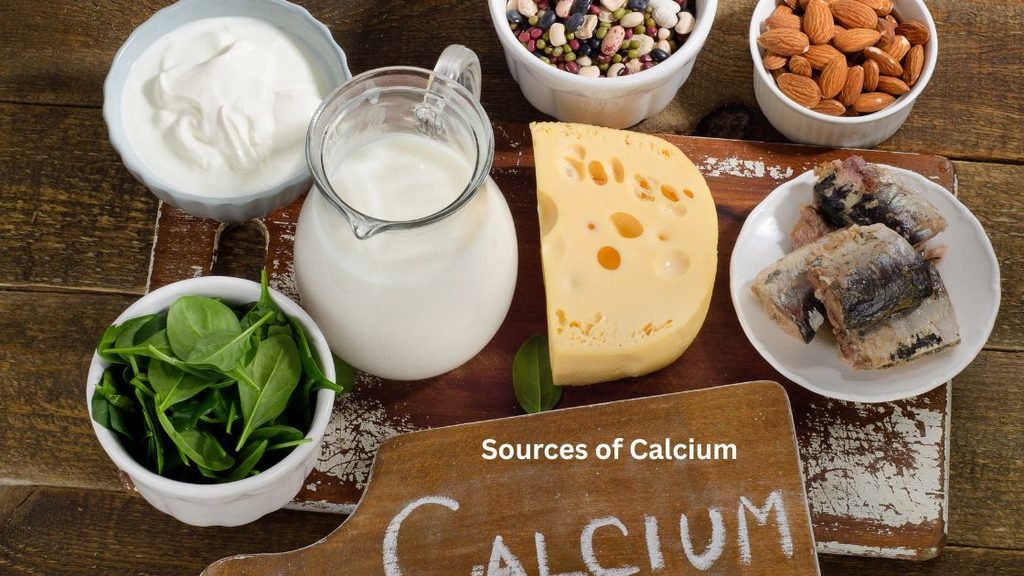
Calcium is essential for strong bones and teeth, but it also plays a quieter role in muscle function, nerve signalling and blood clotting. Adults need roughly 1000 mg of calcium a day, and the requirement goes up during growth years, pregnancy, and after menopause, when bone density naturally starts to decline. For vegetarians who skip fish and rely less on supplements, knowing which everyday Indian foods deliver calcium is genuinely useful rather than academic.
Where This Fits in Indian Food Culture
Traditional Indian diets were, in many ways, built around calcium without anyone naming it that. Ragi mudde and ragi porridge are staples in parts of Karnataka and Andhra Pradesh; til (sesame) is central to Makar Sankranti sweets; a glass of buttermilk or a bowl of curd shows up at the end of nearly every meal; and rajma-chawal or chana-based dishes are lunch staples across North India. The wisdom was already there, it’s just useful to make it deliberate rather than assume it happens automatically.
The Real Sources
- Til (sesame seeds): Around 1740 mg of calcium per cup, making it one of the most concentrated plant sources available, even a spoonful sprinkled over rice or blended into chutney adds up.
- Paneer: About 700-730 mg per cup, plus a solid dose of protein, making it a dual-purpose ingredient in a vegetarian diet.
- Ragi (finger millet): Roughly 344 mg per cup, more calcium than a glass of milk, and easy to use in dosas, porridge or rotis.
- Rajma (kidney beans): Around 406 mg per cooked cup, alongside fibre and protein.
- Kabuli chana (chickpeas): About 331 mg per cooked cup.
- Almonds: Roughly 230 mg per cup, useful as a snack or blended into milk.
- Milk and curd: Two glasses of milk plus a katori of curd adds up to around 820 mg, still one of the easiest ways to hit the daily target.
- Drumstick (moringa) leaves: A traditional green that’s unusually rich in calcium relative to its calorie count.
How To Get More Calcium Into Your Day
- Add a tablespoon of roasted til to your daily chutney podi or sprinkle over stir-fried vegetables.
- Swap regular atta for a mix with ragi flour a couple of times a week for rotis or dosas.
- Keep a katori of curd or a glass of buttermilk as a fixed part of lunch or dinner.
- Include rajma, chana, or other legumes in your weekly meal rotation rather than only occasionally.
- Pair calcium-rich foods with a source of vitamin C, like a squeeze of lemon or a side of amla, since vitamin C improves calcium absorption.
- Get some early morning sunlight regularly, vitamin D, which the body makes from sun exposure, is necessary for the body to actually use dietary calcium.
A Few Things to Watch
Excess tea, coffee, and very high-sodium processed foods can interfere with calcium absorption or increase how much the body excretes. It’s worth keeping these in moderate amounts rather than eliminating calcium-rich foods only to undercut them elsewhere. Spinach and some other leafy greens contain oxalates that reduce calcium absorption from that particular food, though they’re still worth eating for their other nutrients.
Calcium doesn’t need to come from a supplement bottle for most people, it’s mostly a matter of keeping til, dals, curd and a green vegetable or two in regular rotation. Small, consistent habits, like a spoon of til chutney or a daily katori of curd, tend to do more for long-term bone health than the occasional calcium-fortified product.