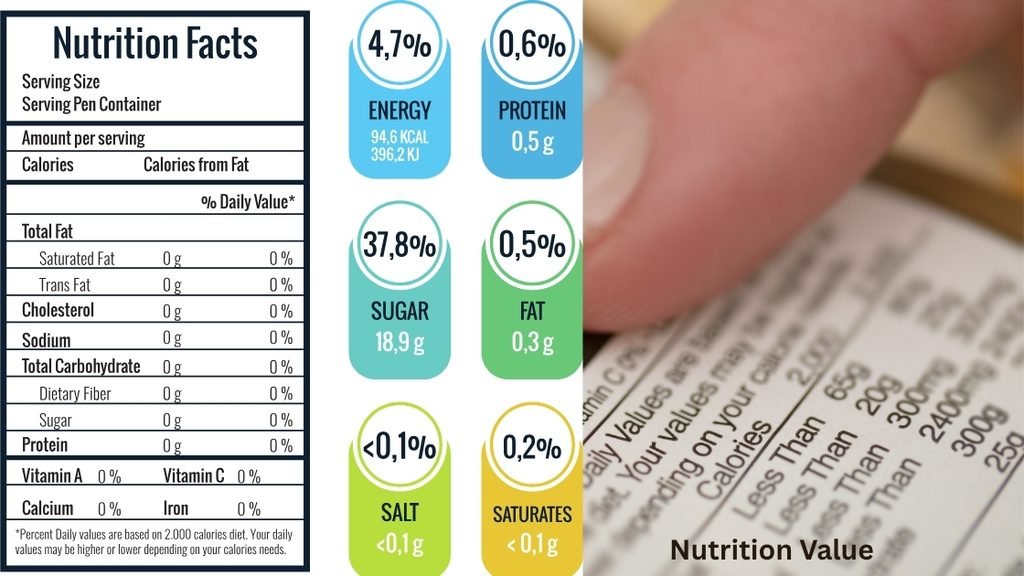
Walk down any Indian grocery aisle today and you’ll find namkeen, biscuits and instant snacks stacked next to nutrition labels most of us scroll past without reading. With packaged snacks now a daily habit in so many Indian homes, learning to actually read those labels can make a real difference to what ends up on your plate. Always check the labels before buying anything.
Why Nutrition Labels Matter More Than Ever
As packaged and processed foods have become a bigger part of the Indian diet, from ready-to-eat mixes to flavored chips, the nutrition label is often the only real information available about what’s actually inside. Understanding it helps you compare products, spot hidden sugar and salt, and make choices that fit your health goals rather than just marketing claims on the front of the pack.
How Food Labeling Works in India
In India, FSSAI (the Food Safety and Standards Authority of India) regulates what must appear on a packaged food label, including calories, macronutrients, and ingredient lists in descending order of quantity. Front-of-pack claims like “healthy,” “natural,” or “no added sugar” aren’t always strictly regulated the same way, which is why the actual nutrition table at the back tells a more reliable story than the packaging itself.
The Real Benefits of Reading Labels Carefully
- Spotting hidden sugar: many packaged snacks list sugar under multiple names, so checking total sugar per serving avoids surprises
- Understanding true serving size: calorie and nutrient values are often listed per serving, not per pack, and Indian pack sizes can be misleading
- Comparing sodium levels: namkeen and salty snacks can carry a large share of your daily recommended sodium in a single serving
- Making informed substitutions: reading labels helps you compare similar products, like two brands of biscuits, and choose the better option
- Avoiding marketing traps: labels cut through buzzwords like “multigrain” or “baked not fried” that don’t always reflect the full nutritional picture
How to Read a Label the Right Way
- Start with the serving size before looking at any other number
- Check total sugar and added sugar per serving, not per 100g, since packs vary
- Look at sodium content, especially for salty snacks and instant noodles
- Scan the ingredient list, since ingredients are listed in order of quantity and the first few matter most
- Watch for trans fat and hydrogenated oils in the fat breakdown
- Compare similar products side by side rather than judging a single pack in isolation
None of this means giving up packaged snacks altogether; it just means making the choice with your eyes open. A minute spent reading the back of the pack can tell you a lot more than any claim printed on the front.