What is Rajgira?
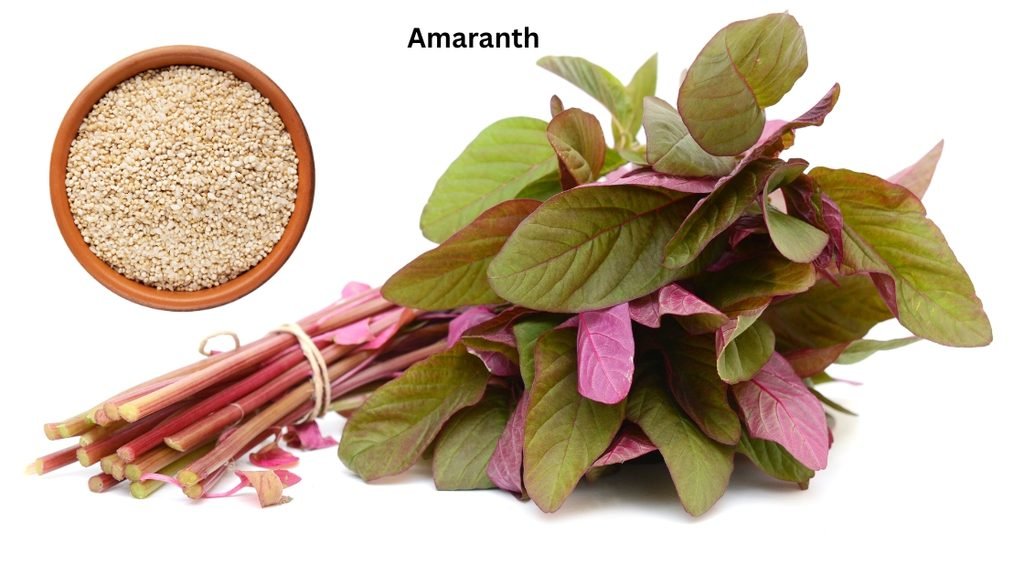
Rajgira, also called ramdana or chaulai in Hindi, is amaranth, a small, protein-rich pseudo-grain that’s technically a seed rather than a true cereal grain, similar to quinoa. It’s naturally gluten-free and has been part of Indian diets for centuries, most visibly during religious fasting periods when regular grains like wheat and rice are avoided. The seeds are ground into flour for pooris and rotis, popped like popcorn for a crunchy snack, or cooked whole into a porridge.
Where Rajgira Fits in Indian Food Culture
Rajgira holds a special place during Navratri, Ekadashi, and other Hindu fasting days, since it’s classified as a “sattvic” food that’s permitted during vrat when grains like wheat, rice, and lentils are typically avoided. Beyond fasting, it has long been valued in Ayurveda as a strengthening food, often given to growing children, new mothers, and anyone recovering from illness. Rajgira laddoos, made by binding popped amaranth with jaggery syrup, are also a common everyday snack in many Indian households, not just a fasting-season food.
The Real Benefits
- Amaranth is considered a complete protein, meaning it contains all nine essential amino acids the body cannot produce on its own, which is unusual for a plant-based food
- It’s naturally gluten-free, making it a good option for anyone with celiac disease or gluten sensitivity
- Rajgira is rich in fiber, which helps with satiety and can support healthy digestion, especially useful during a day of fasting
- It contains meaningful amounts of iron and calcium, both important for bone health and preventing fatigue
- Its nutrient density has reportedly made it a food of interest for astronaut diets, given how much nutrition it packs into a small quantity
How to Use Rajgira
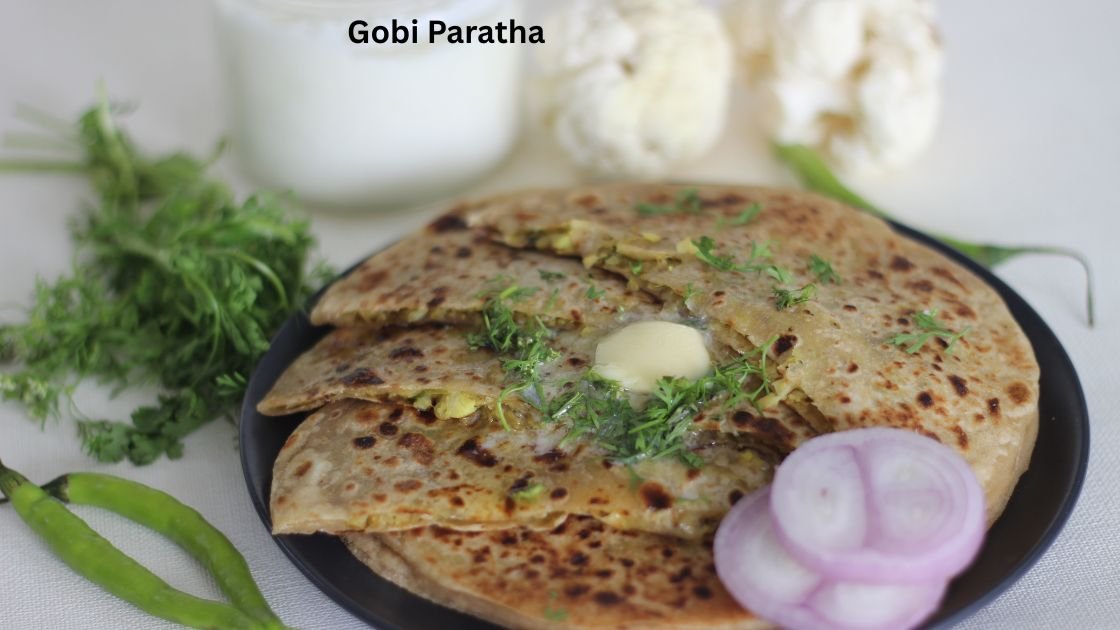
- Use rajgira flour to make pooris or parathas for vrat meals, often combined with boiled potato to bind the dough since it lacks gluten
- Dry-roast the seeds in a hot pan until they pop, similar to popcorn, for a light, crunchy snack on their own or mixed with nuts and dried fruit
- Bind popped rajgira with warm jaggery syrup to make quick rajgira laddoos, a naturally sweetened energy snack
- Cook the whole seeds in water or milk, similar to porridge, and sweeten with jaggery for a warming breakfast, vrat-friendly or otherwise
- Store rajgira flour in an airtight container, as it can turn rancid faster than wheat flour due to its higher fat content
With Navratri approaching, rajgira is worth stocking up on well before the fasting days begin, both for the traditional pooris and as a genuinely useful addition to your regular pantry. Its protein and mineral content make it one of the more nutritionally solid choices among fasting foods, so there’s no reason to save it only for the nine days of vrat.