What is Cholar Dal?
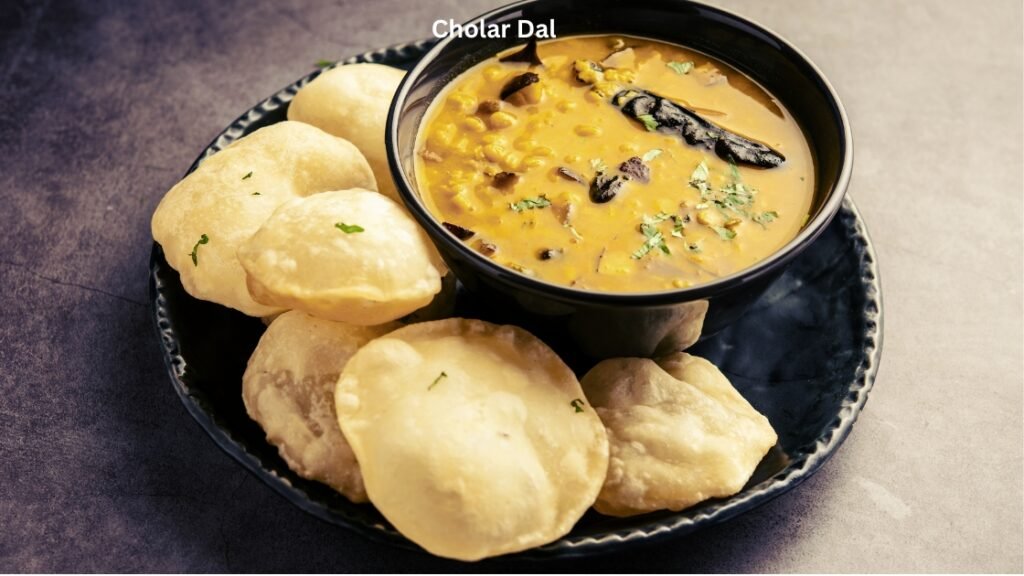
Cholar dal is a Bengali lentil preparation made from chana dal (split Bengal gram) cooked until soft, then tempered with whole spices, ghee, and slivers of fresh coconut, with a subtle background sweetness from sugar or jaggery. Unlike everyday thin dals, cholar dal is thicker, richer, and often reserved for festive meals or Sunday lunches rather than daily cooking.
Related reading: Learn more about the health benefits of Coconut.
Where Cholar Dal Comes From
Cholar dal has deep roots in Bengali cuisine and is a staple at festive spreads during Durga Puja, weddings, and other celebrations, often served alongside luchi (deep-fried puffed bread). Its combination of mild sweetness, ghee, and coconut reflects the Bengali culinary tradition of balancing rich, textured dishes with a touch of sugar, a style distinct from the more chili-forward dals of other Indian regions.
Health Benefits of Chana Dal
- Chana dal is high in plant protein and fiber, making it filling and supportive of stable blood sugar levels.
- It’s a good source of folate, magnesium, and iron, important for energy production and red blood cell health.
- The low glycemic index of chana dal makes it a smart carbohydrate choice for people managing blood sugar.
- Combined with coconut, it also provides healthy fats that help the body absorb fat-soluble nutrients.
Ingredients:
- 1 cup chana dal (split Bengal gram), soaked 30 minutes
- 3 cups water
- 1/2 teaspoon turmeric powder
- Salt to taste
- 2 tablespoons ghee
- 1 bay leaf
- 2 dried red chilies
- 1 teaspoon cumin seeds
- 1-inch cinnamon stick
- 2-3 green cardamom pods
- 2-3 cloves
- 1/4 cup fresh coconut, thinly sliced or slivered
- 1 teaspoon sugar
- 1/2 teaspoon ginger paste
- 1 teaspoon raisins (optional)
Instructions:
Step 1: Cook the dal
Drain the soaked chana dal and pressure cook with 3 cups water, turmeric, and salt for 3-4 whistles, until soft but still holding its shape. Set aside.
Step 2: Prepare the tempering
Heat ghee in a pan. Add bay leaf, dried red chilies, cumin seeds, cinnamon, cardamom, and cloves. Let them sizzle for 30 seconds until fragrant.
Step 3: Add coconut and combine
Add the coconut slivers to the tempering and saute until lightly golden. Stir in the ginger paste and cook for another minute.
Step 4: Simmer with dal
Pour the cooked dal into the pan, add sugar and raisins if using, and simmer for 5-7 minutes, stirring occasionally, until the dal thickens slightly and the flavors meld. Adjust salt and sweetness to taste.
Tips:
Don’t skip the whole spices; they’re what give cholar dal its distinctive festive aroma. Keep a little extra water on hand since the dal continues to thicken as it sits. For a more indulgent version, some Bengali households add a spoonful of coconut milk right before serving.
Preparation time: 40 minutes
Common mistakes: Over-blending the dal into a smooth paste, which loses the traditional texture; skipping the coconut, which is essential to the dish’s character; and adding too much sugar, which should stay subtle, not dominant.
Substitutions: Use jaggery instead of sugar for a more traditional flavor. If fresh coconut isn’t available, use unsweetened desiccated coconut soaked briefly in warm water.
Storage and reheating: Store in an airtight container in the fridge for up to 3 days. Reheat on the stovetop with a splash of water, since the dal thickens further when chilled.
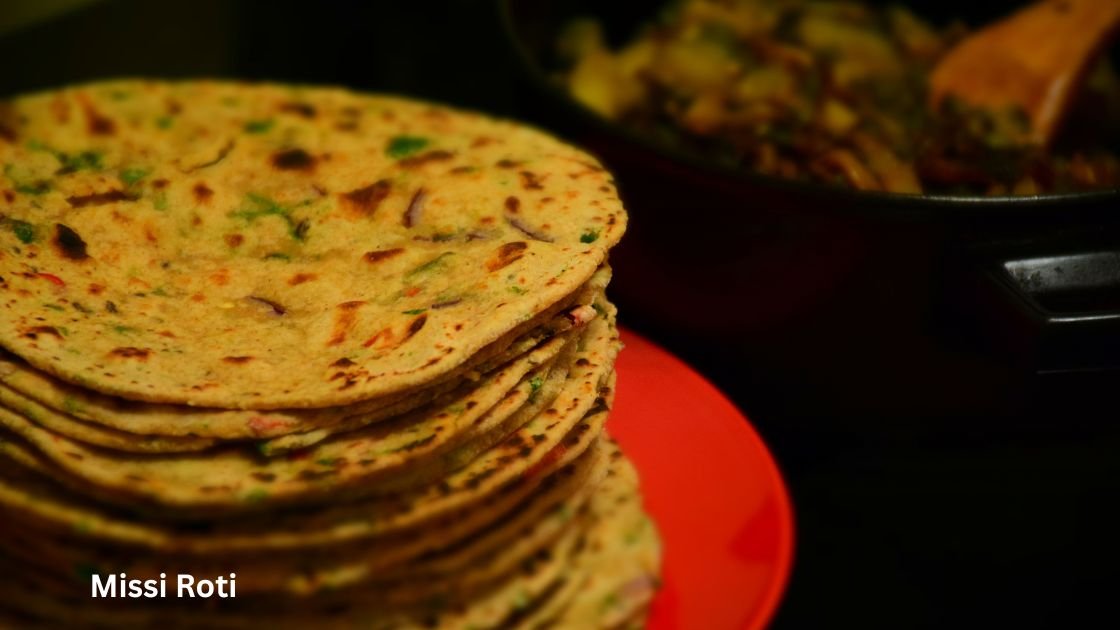
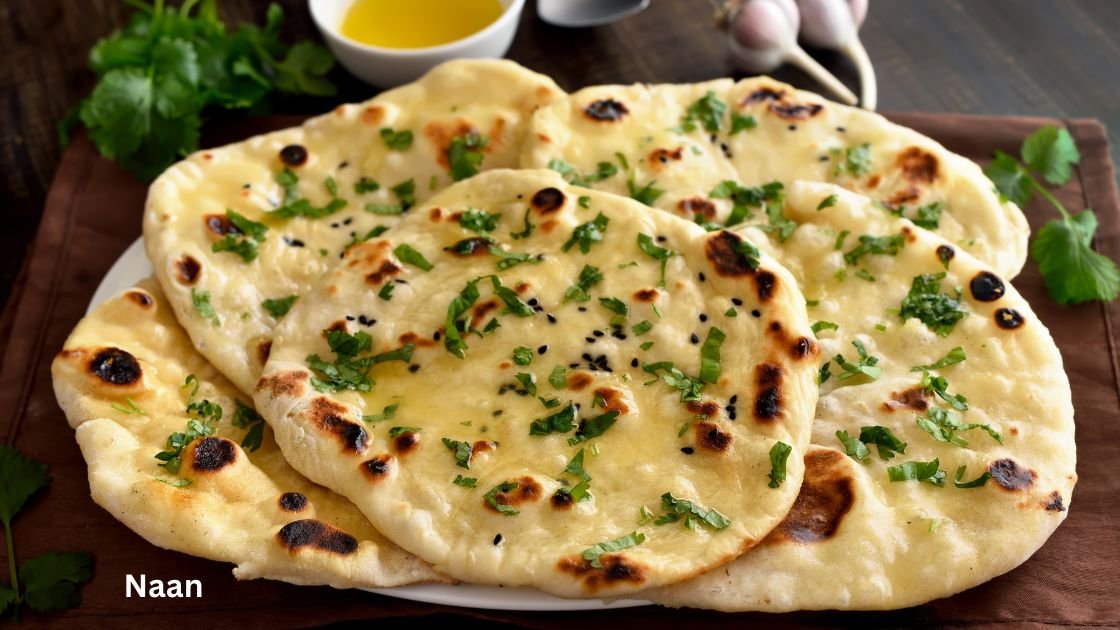
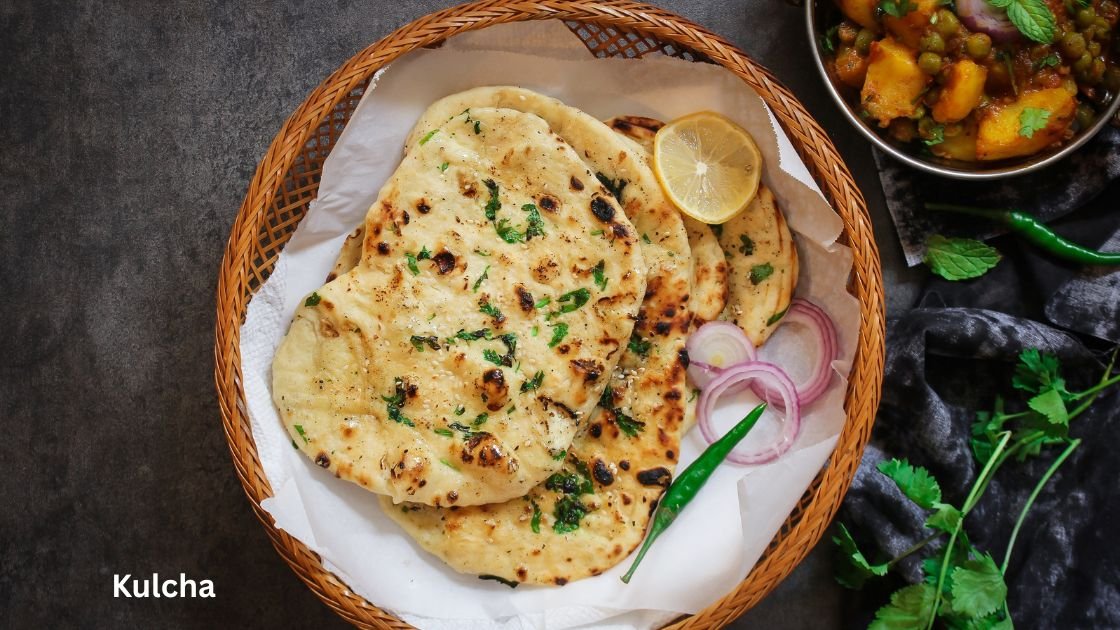
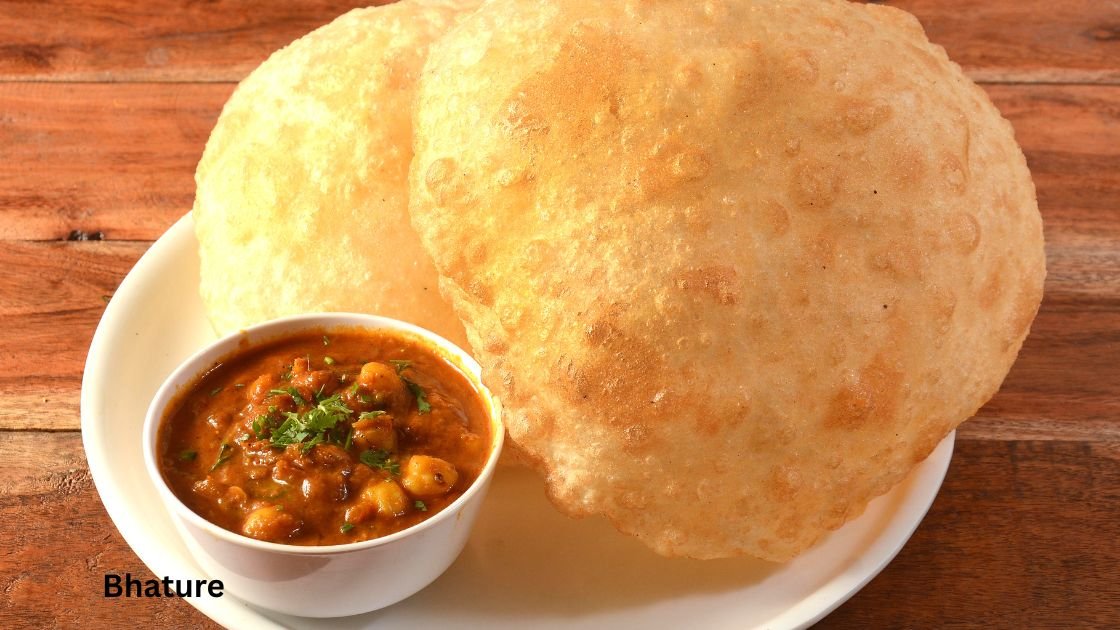
What to serve with it: Cholar dal is classically paired with luchi or plain rice, and makes a lovely addition to a festive thali.
Frequently Asked Questions
Is cholar dal sweet? It has a mild, background sweetness, not a dessert-like sweetness, and is meant to be balanced rather than sugary.
Can I skip the ghee? Ghee adds authentic flavor, but coconut oil or a neutral oil can be used for a vegan version.
What’s the difference between cholar dal and regular chana dal curry? Cholar dal is thicker, sweeter, and includes coconut and whole festive spices, while everyday chana dal is usually more savory and thinner.
Nutrition Information
Per serving (approximate): Calories: 210 | Carbohydrates: 28g | Protein: 9g | Fat: 7g | Fiber: 6g